


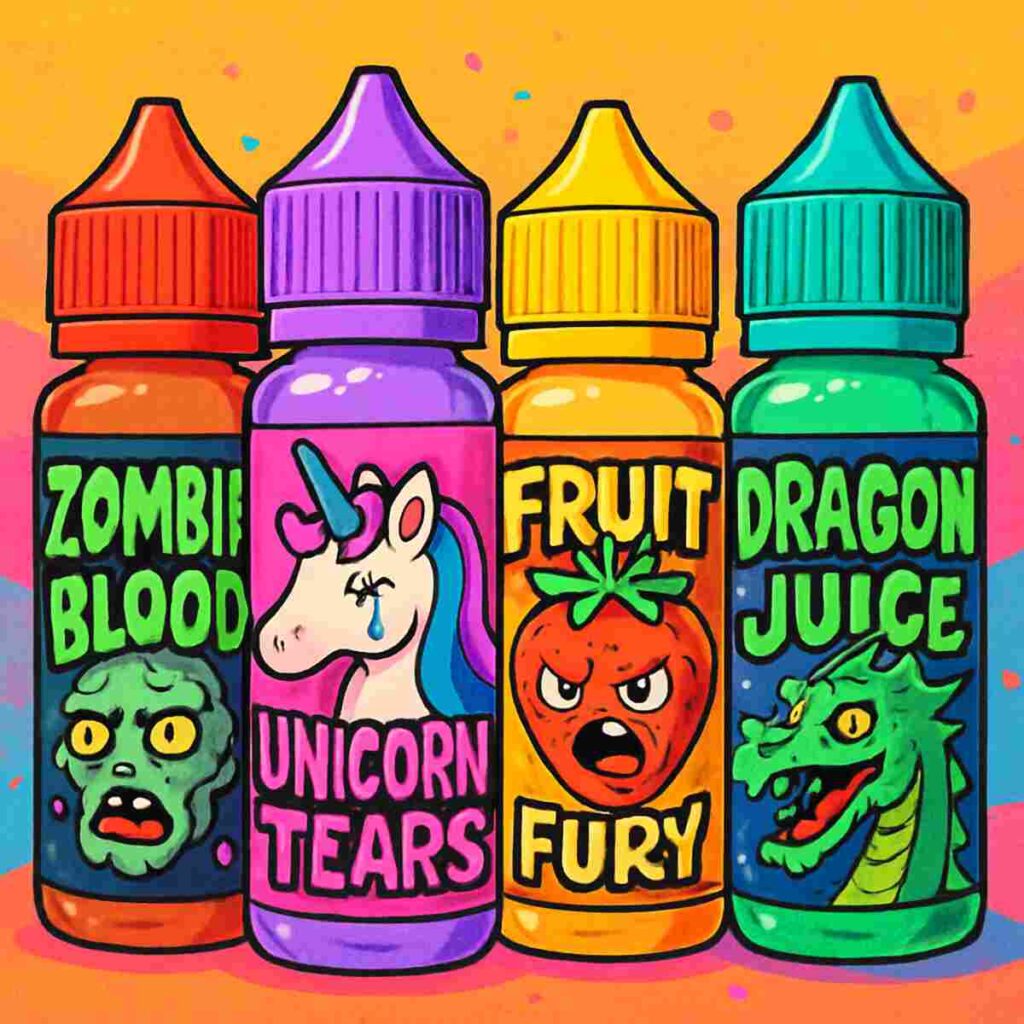
Unicorn Blood. Zombie Brains. Grandma’s Ashes. These aren’t titles for a new horror movie—they’re real flavors of nicotine e-liquids you can buy today. While you might expect vapes to taste like strawberry or mint, a bizarre and unsettling corner of the market is dedicated to flavors that sound more like a dare than a dessert. This trend raises an obvious question: what is the weirdest vape flavor out there, and why does it even exist? Obtain the Best information about Creepy nicotine e-liquids.
The answer isn’t just about shock value; it’s a deliberate marketing strategy. In an incredibly crowded industry, a product named “Cereal Killer” or “Smurf Cake” stands out far more than “Fruity Cereal.” Just as craft beers use wild names to capture attention on a packed shelf, these bizarre e-liquid flavor profiles are designed to be memorable, edgy, and build a brand identity around being different from the mainstream.
This strategy often goes beyond just a name. Many of these creepy nicotine e-liquids are packaged in brightly colored bottles with cartoonish graphics, echoing the marketing tactics used for candy and children’s cereals for decades. While the industry claims these products are for adults, it’s fair to ask who this combination of sweet tastes and playful, ghoulish branding is truly designed to attract.
Behind the shocking names and eye-catching labels lies a more serious concern. The chemical cocktails used to create a flavor like “Zombie Blood” are a complete mystery to consumers, and the safety of inhaling them is often unknown. This article explores the marketing machine behind this strange phenomenon and the hidden health risks of these bizarre creations.
What’s Actually in an E-Liquid Bottle?
Beyond the creepy names and vibrant colors, what is vape juice, really? The liquid in that little bottle, often called e-liquid, is surprisingly simple in its basic structure. Most are made from just four core ingredients: nicotine (the addictive substance also found in tobacco), chemical flavorings, and two colorless, odorless base liquids called Propylene Glycol (PG) and Vegetable Glycerin (VG). These components are mixed together to create the final product that gets heated into an inhalable vapor.
Each of those base liquids has a specific job. Propylene Glycol is very thin and an excellent carrier for flavor and nicotine, providing much of the taste. Vegetable Glycerin, on the other hand, is a much thicker, slightly sweet liquid responsible for producing the dense, visible clouds of vapor that people exhale. Manufacturers combine them in different ratios, but their fundamental roles remain the same: one delivers the flavor, and the other creates the cloud.
The real wild card in this mixture is the “flavoring.” This isn’t just a splash of fruit juice. It’s a cocktail of chemical compounds, many of which are also used to flavor candy, soda, and other foods. While they are safe to eat, the long-term health effects of inhaling them deep into the lungs are often unknown. This chemical-driven approach to flavor is what unlocks a nearly infinite menu of tastes, setting the stage for brands to get creative—or, in some cases, a little bizarre.
Why Do Flavors Like ‘Alien Piss’ and ‘Cereal Killer’ Even Exist?
These bizarre names aren’t a sign of a failing industry; they’re a sign of a fiercely competitive one. With thousands of e-liquid brands all fighting for attention, a simple “Blueberry” or “Vanilla” flavor gets lost in the noise. A shocking or funny name, however, is memorable. It’s a pure marketing tactic designed to make a product stand out on a crowded vape shop shelf or in a sea of search results for someone trying to find unique vape flavors online. In a saturated market, being different is more valuable than being descriptive.
Beyond just grabbing attention, this strategy works to build a specific kind of brand identity. A name like “Zombie Blood” or “Clown Puke” does more than describe a potential taste; it sells an attitude. This is a form of subculture marketing, where brands cultivate an “insider” or “edgy” feeling. Choosing a product with a rebellious name can make consumers feel like they’re part of a club that’s in on the joke, distinguishing them from users of more mainstream, “boring” flavors.
This marketing playbook isn’t unique to vaping. Think of the craft beer aisle, with its “Moose Drool” and “Arrogant Bastard” ales, or the aggressive branding of energy drinks like “Monster” and “Rockstar.” These industries learned long ago that selling a lifestyle or an identity is often more effective than just selling a beverage. The e-liquid world simply adopted the same strategy for its own market differentiation.
Ultimately, these bizarre e-liquid flavor profiles are a calculated business decision to cut through the noise and create a loyal following. But this combination of shocking names, sweet tastes, and often cartoonish imagery raises a critical question about the intended audience for these products.
Who Is the Real Audience for ‘Smurf Cake’ and ‘Unicorn Puke’?
That calculated business decision to stand out raises an unavoidable question. While an edgy name like “Zombie Blood” might appeal to a niche adult subculture, what about flavors like “Gummy Bear,” “Smurf Cake,” or “Unicorn Puke”? These names don’t just create an identity; they directly reference candy, cartoons, and mythical creatures popular with children. This strategy moves beyond simple market differentiation and into territory that mirrors the marketing playbook for products aimed at a much younger audience.
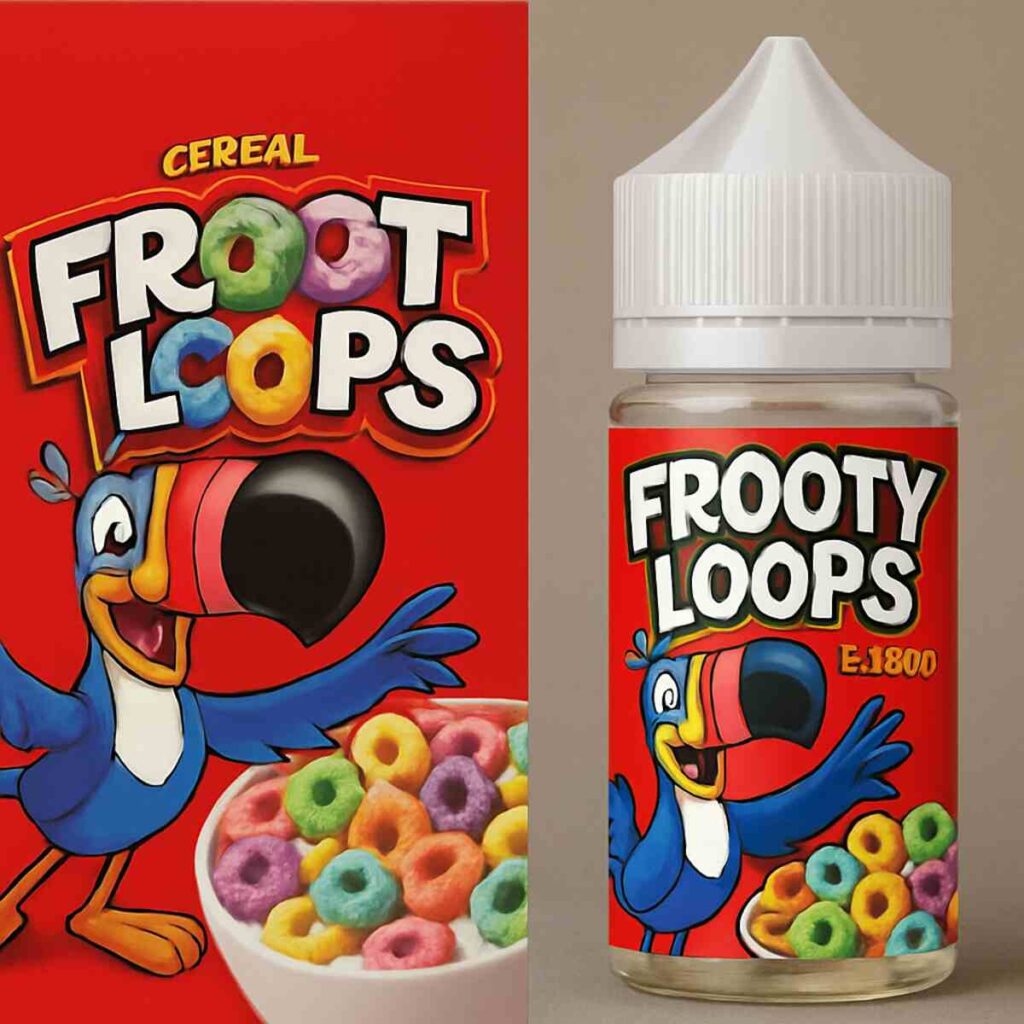
The marketing goes far beyond the name on the bottle. Visually, many of these e-liquids are packaged in brightly colored bottles with playful, cartoon-style fonts and imagery. The design parallels between some vape juice that tastes like food and actual children’s snacks—like cereals or candy—can be striking. The use of vibrant blues, pinks, and greens, along with cartoon characters, creates a product that looks more at home in a candy aisle than a specialty adult store.
When you put it all together—a sweet, candy-like name, a flavor to match, and packaging that looks like it was inspired by a toy box—the industry’s claim that these products are intended only for adult smokers begins to feel strained. This potent mix of sensory and visual cues is a powerful marketing tool, but the appeal it creates raises a different, more urgent question about the physical risks of inhaling these chemical creations.
The Critical Risk: Why Eating a Flavor Isn’t the Same as Inhaling It
The logic seems simple: if a flavor is safe in our food, it must be safe to vape. Unfortunately, our bodies don’t work that way. The stomach is a robust organ designed to break down complex substances with acid; lungs are delicate tissues made for gas exchange. The chemicals that create the taste of “Blue Raspberry” are approved for eating, but the long-term safety of breathing them as an aerosol deep into your lungs is a completely different and largely unanswered question.
This reveals a critical safety gap. Many of the flavorings used in e-liquids are “Generally Recognized as Safe” (GRAS) by food authorities, but that label only applies to digestion. No equivalent system exists for the thousands of chemicals when inhaled day after day. When it comes to the science behind vape flavorings, the truth is that for most of them, the long-term data on inhalation safety simply isn’t there.
A chilling example of this risk is the chemical diacetyl. Safe to eat in butter, it became infamous after factory workers inhaling it developed a devastating, irreversible lung disease nicknamed “popcorn lung.” This same chemical was found for years in many sweet e-liquids, proving a “food-safe” ingredient can become a serious hazard when inhaled. It’s a stark reminder of the potential risks hiding in the chemical formulas for other bizarre vape flavors, from horror to savory.
A Tour of the Weirdest Flavors: Beyond Horror to Savory and Strange
While horror-themed names are designed to shock, the flavor laboratory gets even stranger. The push for market share has led to an explosion of unusual e-juice flavors that go far beyond fruit and candy, venturing into the territory of a full-course, and often bizarre, dinner menu. This corner of the industry is less about finding a pleasant daily vape and more about creating a spectacle.
To get a sense of how far the market goes, consider some of the real vape juice flavors available for purchase. Many of these are sold as novelty items, but they use the same nicotine-and-chemical base as any other e-liquid. The list of strange tasting e-juice includes:
- Savory Meals: Bacon, Roast Chicken, Crab Legs, Nacho Cheese
- Odd Beverages: Buttered Beer, Pumpkin Spice Latte, Eggnog
- Just Plain Weird: Butter, Popcorn, Peanut Butter, Dirt
The existence of a “Crab Legs” e-liquid raises an obvious question: who actually vapes this? For many of these products, the answer lies in their novelty. They are the vaping equivalent of gag gifts or dares, designed to generate social media buzz and stand out through sheer absurdity. A flavor doesn’t have to be good if it’s weird enough to be memorable.
So, what does vape juice that tastes like food actually taste like? According to savory e-liquid flavor reviews, the experience is often disappointing and artificial. A bacon-flavored e-liquid, for instance, is frequently described as having a smoky scent but an overpowering and unpleasant chemical sweetness that fails to capture the actual taste. This gap between marketing promises and chemical reality highlights the challenge of navigating this unregulated landscape, raising the question of how a consumer can spot red flags.
How to Be a Smarter Consumer: 3 Red Flags to Watch For
Navigating this wild market of bacon-flavored and “Zombie Blood” e-liquids can feel overwhelming. With so many brands vying for attention, how can you tell the difference between a novelty product and a potentially deceptive one? While people are always finding unique vape flavors online, the product’s own marketing often provides the biggest clues.
Keeping an eye out for manipulative tactics is key. Whether you’re curious about a product or concerned for someone who is, watch for these three major red flags that suggest a brand may be prioritizing shock value and youth appeal over consumer safety.
- Overtly Cartoonish Packaging or Names Referencing Children’s Media. A product wrapped in bright, candy-like colors or named after a children’s cereal, dessert, or cartoon character is a significant warning sign. This branding strategy mirrors tactics long used to market products to kids.
- Vague or Missing Ingredient Information. Reputable manufacturers are generally transparent about what’s in their e-liquids. If a brand makes it difficult to find a clear list of ingredients beyond vague terms like “artificial flavorings,” it’s a reason to be skeptical.
- Outlandish Health Claims or Lack of Any Warnings. No vape product is a health food. Be wary of any marketing that suggests it is. Equally concerning is the absence of clear nicotine warnings, which are a basic requirement for addictive substances.
Ultimately, the best way to determine if bizarre vape flavors are safe is to consider the source. A company selling a product is not an unbiased source for health advice. For reliable information, it’s always best to consult public health organizations like the CDC or your doctor.
The Big Picture: What Creepy Flavors Tell Us About the Vaping Industry
Unsettling e-liquid names like “Zombie Brains” and “Unicorn Blood” are more than just a novelty; they are symptoms of a fiercely competitive industry operating in a regulatory gray zone. In the race to stand out, brands use shocking and edgy marketing as a primary tool to capture attention and build a following. This environment prioritizes market differentiation over consumer clarity.
This isn’t just about a few weird flavors. It’s a case study in modern marketing and public health. The existence of limited-edition spooky vape liquids and other candy-like branding is at the very heart of the ongoing debate between corporate free speech and the need to protect communities, especially young people. These products highlight critical questions about who the industry is truly targeting and leave the larger question of long-term inhalation safety largely unanswered.
By connecting the dots between cartoonish packaging and complex policy debates, we can better understand the forces that shape this market. Recognizing the strategies and stakes hidden in plain sight is the first step toward becoming an informed observer in the conversation around nicotine products and public health.